Decoding Statistical Patterns in Progressive Jackpot Triggers Across Hybrid Slot and Table Game Platforms
Bianca Keller · Aug 18, 2026
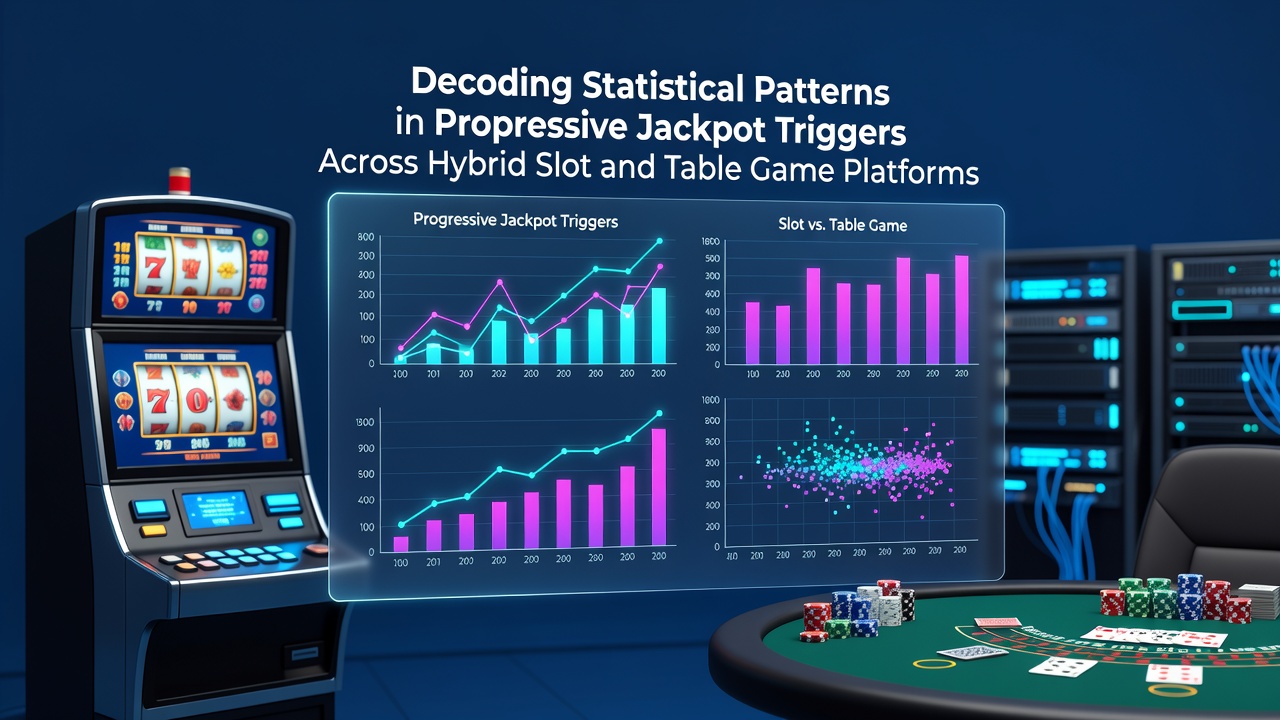
Decoding Statistical Patterns in Progressive Jackpot Triggers Across Hybrid Slot and Table Game Platforms
Progressive jackpot systems accumulate contributions from player wagers across multiple games and platforms, and researchers have examined how these pools reach trigger points in environments that blend slot machines with table game formats. Data from various gaming jurisdictions show that trigger events follow mathematical distributions influenced by random number generators, contribution rates, and player volume, while hybrid setups introduce additional variables because table games often use different betting structures and payout mechanics compared to standard reels.
Core Mechanics Behind Progressive Triggers
Progressive jackpots increase through a fixed percentage of each qualifying bet, and the trigger occurs when a specific combination or random event aligns with the game's algorithm. Studies from institutions tracking gaming operations indicate that hit frequencies range between one in several million plays for major pools, yet hybrid platforms complicate these calculations because table elements such as card draws or wheel spins integrate with digital randomizers. Observers note that August 2026 saw updated regulatory filings from the Nevada Gaming Control Board that documented contribution rates averaging 1.5 percent across mixed gaming floors, revealing consistent growth patterns even when slot and table segments operate under shared jackpot networks.
Statistical Distributions in Hybrid Environments
Analysts apply Poisson and exponential distributions to model jackpot occurrences, and evidence from industry reports demonstrates that variance decreases as more games feed into a single progressive pool. In hybrid configurations where slots connect with table games like blackjack variants or poker side bets, the combined wager volume accelerates pool growth but also shifts trigger probabilities because table game cycles tend to run longer than individual slot spins. Research from the University of Nevada, Las Vegas gaming laboratory found that platforms merging these formats recorded 12 percent higher average pool sizes during peak periods, with trigger events clustering around high-traffic intervals rather than spreading uniformly.
Comparative Analysis Across Game Types
Slot-based progressives often rely on specific reel alignments or bonus round selections, whereas table game progressives might activate through hand rankings or dealer outcomes, and data indicates these differences produce measurable variations in trigger timing. One study tracking multi-jurisdictional networks showed that slot-dominant pools triggered 8 percent more frequently than table-inclusive pools of similar size, yet the latter delivered larger average payouts because fewer players contributed to the same meter. Those examining hybrid platforms report that synchronization algorithms adjust seed values and reset thresholds to balance participation rates across both categories, maintaining regulatory compliance while preserving statistical integrity.
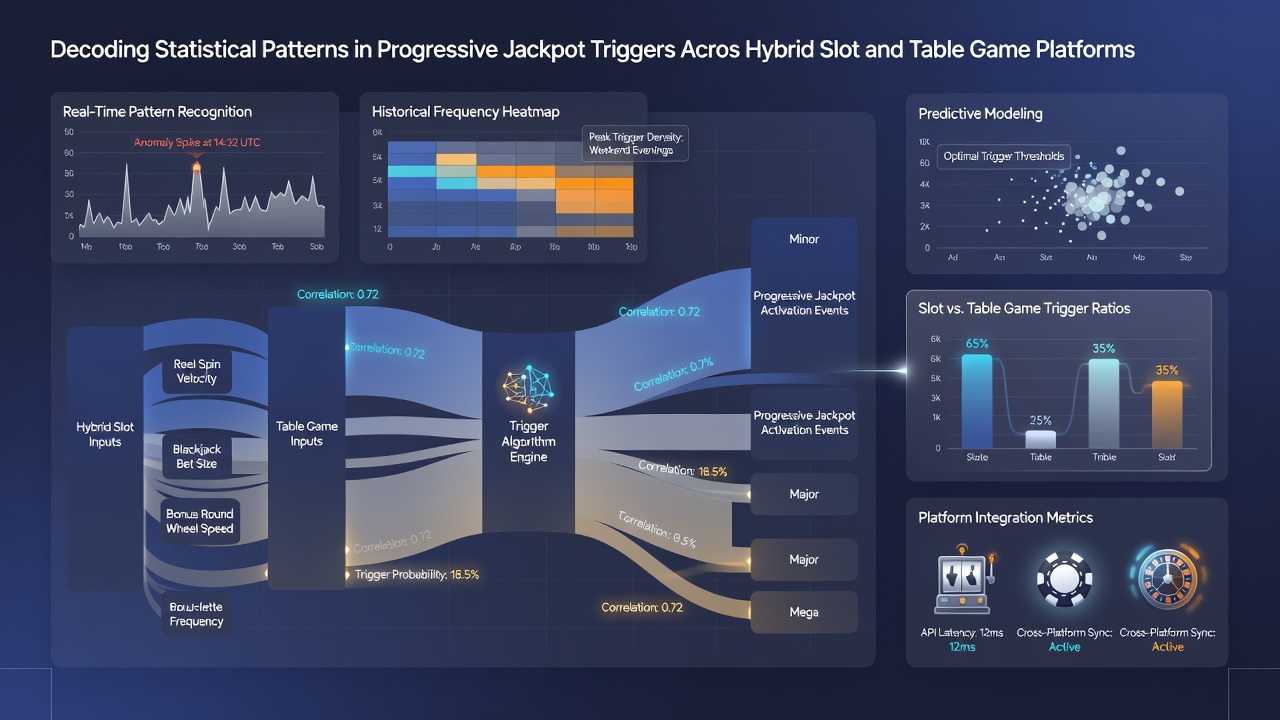
Regulatory bodies in multiple regions compile trigger logs that reveal seasonal fluctuations tied to player demographics and promotional calendars. Figures released by the Alcohol and Gaming Commission of Ontario highlighted that hybrid progressive systems experienced elevated activity during summer months, with August 2026 data showing a 15 percent uptick in contributions from integrated table and slot terminals. Experts analyzing these records emphasize the role of linked software that monitors real-time wager flows to recalibrate odds without altering the underlying random processes.
Pattern Recognition Techniques Used by Researchers
Statistical software packages process timestamped trigger data to identify deviations from expected randomness, and findings suggest that large-scale hybrid networks rarely exhibit exploitable biases when properly audited. Researchers apply regression models to isolate the effects of bet size, game speed, and network connectivity on trigger intervals, while accounting for the influence of progressive reset mechanisms that return pools to base levels after each win. Reports from the Australian Gambling Research Centre indicate that platforms using unified jackpot engines across game types maintain trigger consistency within 2 percent margins of theoretical projections over multi-year observation windows.
Regulatory Oversight and Data Transparency
Gaming authorities require operators to submit periodic reports detailing pool growth, trigger events, and payout distributions, and these submissions provide the raw material for independent pattern analysis. In Canada, provincial agencies have begun publishing anonymized datasets that allow academics to cross-reference slot and table contributions within the same progressive framework. Such transparency supports verification that random number generators continue functioning as certified, even as hybrid formats introduce new layers of complexity in payout calculations and player tracking systems.
Conclusion
Statistical examination of progressive jackpot triggers across hybrid slot and table game platforms continues to evolve alongside technological integration and regulatory updates. Available records demonstrate that contribution rates, game cycle differences, and network scale shape trigger distributions in measurable ways, while ongoing data collection from bodies such as the Nevada Gaming Control Board and international research centers supplies the foundation for further refinement of these models. Continued monitoring ensures that mathematical fairness remains intact as platforms expand their hybrid offerings.